
Article: How to Build a Simple Skincare Routine with Pure Biotic Ingredients
How to Build a Simple Skincare Routine with Pure Biotic Ingredients
Skincare Doesn't Have to Be Complicated
Walk into any beauty store and you'll find hundreds of products promising miracles. It's overwhelming — and honestly, most of it is unnecessary. The truth is, a simple, well-layered routine with high-quality, plant-derived ingredients will outperform a cluttered 12-step regimen almost every time.
This is the philosophy behind pure biotic skincare: working with your skin's natural biology, not against it.
What Does "Biotic" Mean in Skincare?
The term "biotic" refers to living or life-derived ingredients — in skincare, this means formulations built around ingredients that come from living organisms, particularly plants. Pure biotic skincare prioritizes:
- Plant-derived actives — botanical extracts, flower waters, seed oils, and herbal compounds
- Fermented ingredients — which enhance bioavailability and support the skin's microbiome
- Enzyme-rich botanicals — that gently resurface and renew without harsh abrasion
- Cruelty-free sourcing — because what's good for your skin shouldn't come at another creature's expense
The result is skincare that feels gentle, smells beautiful, and works in harmony with your skin's own processes.
The Four-Step Layering Philosophy
Effective skincare is about layering the right ingredients in the right order. Think of it as building a house: you need a solid foundation before you add the finishing touches. Here's the framework we believe in:
Step 1: Cleanse
Every routine starts with a clean canvas. A good cleanser removes makeup, sunscreen, excess oil, and the day's environmental buildup without stripping your skin's natural moisture barrier.
What to look for: Gentle, sulfate-free formulas with botanical cleansing agents. Avoid anything that leaves your skin feeling tight or squeaky — that's a sign the barrier has been disrupted.
Biotic ingredients to love: Aloe vera, chamomile extract, oat-derived cleansers, and plant-based surfactants.
Step 2: Hydrate
After cleansing, your skin is primed to absorb. This is the moment to deliver lightweight hydration that penetrates deeply — not just sits on the surface.
What to look for: Toners, essences, or hydrating serums with humectant ingredients that draw water into the skin and hold it there.
Biotic ingredients to love: Rose water (Bulgarian and Damask rose are particularly prized), hyaluronic acid from plant fermentation, aloe vera gel, and cucumber extract.
This step is where rose water truly shines. Its natural humectant properties and anti-inflammatory compounds make it one of the most effective — and most gentle — hydrating ingredients available.
Step 3: Nourish
Hydration brings water to the skin; nourishment feeds it. This step is about delivering the vitamins, antioxidants, and active compounds your skin needs to function at its best.
What to look for: Serums and facial oils rich in vitamins, botanical extracts, and skin-identical lipids that reinforce the barrier and support cellular health.
Biotic ingredients to love: Rosehip seed oil, sea buckthorn, vitamin C from botanical sources (like kakadu plum or acerola cherry), and green tea extract.
Step 4: Repair
The final step is where transformation happens. Repair-focused products contain the most potent actives — ingredients that work overnight (or throughout the day) to address specific concerns like fine lines, uneven tone, or loss of firmness.
What to look for: Targeted serums or creams with proven actives like peptides, retinol, or niacinamide. These ingredients work best when applied to skin that's already been cleansed, hydrated, and nourished.
Biotic ingredients to love: Botanical peptides (plant-derived amino acid chains that signal collagen production), bakuchiol (a plant-based retinol alternative), and adaptogenic herbs like ashwagandha and ginseng.
A Note on Layering Order
The golden rule of skincare layering is simple: thinnest to thickest. Apply water-based products first (toners, essences, lightweight serums), then move to richer textures (oils, creams, balms). This ensures each layer can absorb properly without being blocked by heavier formulas.
Also remember: active ingredients need time. Give each layer 30–60 seconds to absorb before applying the next. Your skin will thank you.
Morning vs. Evening: Does It Matter?
Yes — but not as much as you might think. The core philosophy (Cleanse → Hydrate → Nourish → Repair) applies to both routines. The main differences:
- Morning: Focus on protection. Add SPF as your final step. Antioxidant serums (vitamin C, green tea) are especially valuable in the AM to defend against daytime environmental stress.
- Evening: Focus on repair. This is the best time for retinol, peptides, and richer nourishing oils. Your skin does most of its regenerative work while you sleep.
Start Simple, Stay Consistent
The most effective skincare routine is the one you'll actually do every day. Start with the four steps above, choose products with clean, plant-derived ingredients, and give your skin time to respond — most actives need 4–8 weeks of consistent use before you'll see their full effect.
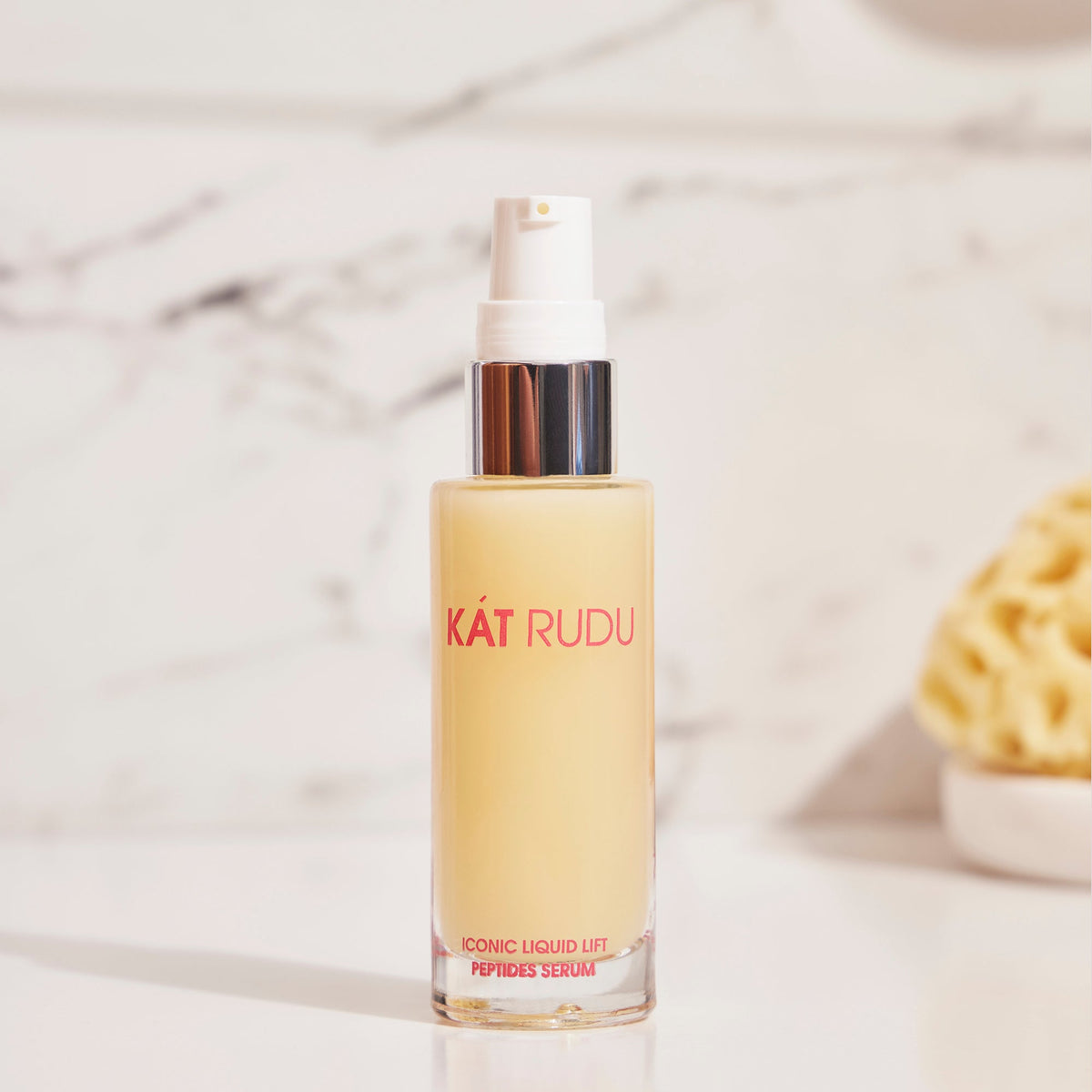
At KÁT RUDU, our entire line is built around this layering philosophy. Each product is formulated to work beautifully on its own and even better as part of a complete routine — pure biotic ingredients, European botanical traditions, and modern skincare science working together.
Explore our full collection to find the right products for each step of your routine.
Simple. Intentional. Effective. That's the biotic way.

Written by Kat Rudu